

Is a FORTIFIED Roof Worth It in Central Arkansas?What is a FORTIFIED roof, and does it actually lower your Arkansas insurance?A FORTIFIED roof is a voluntary construction standard from the Insurance
How is the UAMS expansion affecting Little Rock's real estate market?
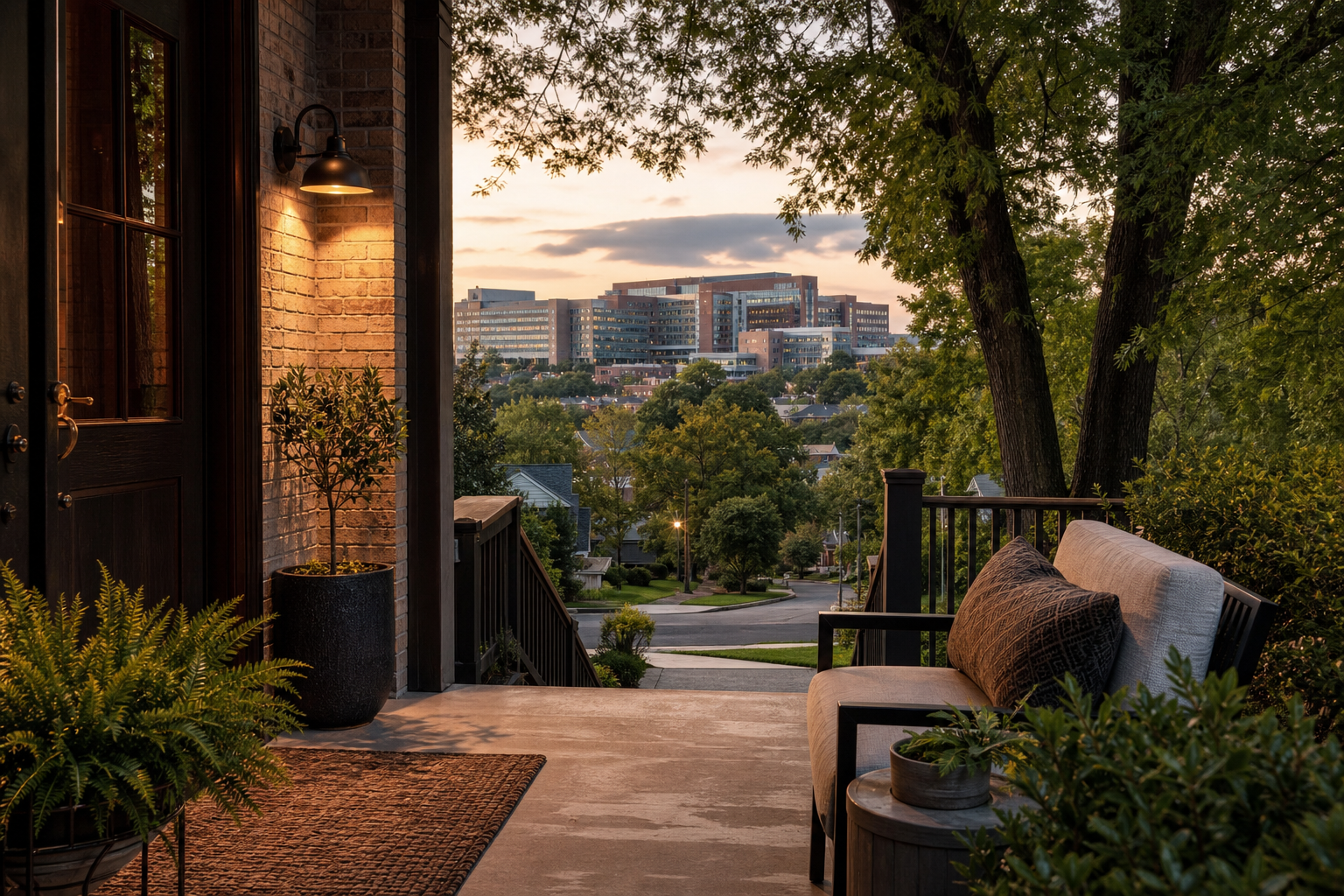
UAMS and its affiliates generate an estimated $4.5 billion per year in economic impact for Central Arkansas, and that scale of institutional employment creates consistent, durable housing demand. As of mid-2026, Little Rock's median sale price is approximately $268,000 with homes selling in about 17 days on average, and neighborhoods close to the medical campus are among the most stable segments of that market. Health-sector growth isn't producing a runaway boom, but it is producing the kind of demand floor that makes nearby real estate a serious consideration for buyers, sellers, and investors alike.
What UAMS Expansion Actually Looks Like on the Ground
When clients ask me about UAMS's influence on Little Rock real estate, I start with the numbers because they're genuinely striking. UAMS Fast Facts put the combined economic impact of UAMS, Arkansas Children's Hospital, and the Central Arkansas Veterans Healthcare System at $4.5 billion annually. For FY2026, UAMS reports budgeted revenue of $2.5 billion, and the University of Arkansas System FY2026 budget projects system-wide operating revenues growing 6.1% year over year. That's not a stagnant institution.
The physical footprint is expanding too. The UAMS Academic Catalog 2025-2026 documents active Centers of Excellence including the Urology Center in West Little Rock, the UAMS Health Orthopaedic and Spine Clinic in North Little Rock, and The Orthopaedic and Spine Hospital on the main Little Rock campus. Each of those locations brings clinical staff, patient traffic, and support workers into specific corners of the metro.
That geographic spread matters for real estate. It's not just about the main campus on Markham Street anymore. Health-sector employment is threading through multiple Little Rock and North Little Rock corridors, and the housing demand follows the jobs.
The Workforce Behind the Demand
UAMS employs physicians, nurses, residents, allied health professionals, researchers, and administrators across its campuses. That workforce breaks into a few distinct housing segments that I watch closely:
- Long-term rentals for residents, nurses, and early-career clinical staff who want proximity to the hospital without a long-term purchase commitment.
- Owner-occupant purchases for mid-career professionals and administrators who want to put down roots close to work and city amenities.
- Mid-term rentals for travel nurses and visiting faculty, a segment that has grown alongside healthcare staffing trends nationally.
Each of those demand streams points to a different investment strategy, and the right one depends on the specific property and location. That's a conversation worth having before you make a move in this market.
Neighborhoods Worth Watching Near the Medical District
Hillcrest
Hillcrest is the neighborhood I hear about most often from healthcare workers looking to buy. It sits close to the main UAMS campus, has a walkable commercial strip, and offers the kind of older character homes that appeal to buyers who want something with personality. Rental demand here is consistent, driven by the steady rotation of medical residents and young professionals who want a short commute and a neighborhood feel. If you own a well-maintained home in Hillcrest, the UAMS workforce is part of your buyer and renter pool whether you're thinking about it or not.
West Little Rock
West Little Rock attracts a different segment of the UAMS workforce: established physicians, department heads, and administrators who want newer construction and more square footage. The Urology Center in West Little Rock creates a direct employment anchor on that side of town, and the area's newer developments align with what those buyers expect. This is where you see more owner-occupant purchase activity from senior medical professionals rather than the rental-heavy patterns closer to the main campus.
North Little Rock
The UAMS Health Orthopaedic and Spine Clinic in North Little Rock means clinical staff and patient traffic are crossing the river regularly. North Little Rock's median sale price as of mid-2026 is $105,000, which positions it as the most accessible entry point in the metro for investors looking at buy-and-hold strategies near health-sector employment. The spread between North Little Rock pricing and Little Rock proper is significant, and some investors are paying close attention to it.
Midtown and Capitol View Corridors
The areas between the UAMS campus and downtown, including Midtown and the Capitol View corridor, sit within a short drive of both the medical district and state government offices. These neighborhoods tend to attract a mix of healthcare workers and state employees, which creates a diversified demand base. Older housing stock in these areas is being renovated to meet the expectations of professional renters and buyers, and infill development is filling in gaps where older structures have been removed.
What the Mid-2026 Numbers Actually Show
Here's where I want to be precise, because the portal data for Little Rock varies depending on the source and methodology. Recent local market data (trailing approximately 90 days, as of August 2026) shows a median sale price of $268,000 and a median of 17 days on market across Little Rock. That's a notably tight timeline.
For broader context, Redfin's market data through June 2026 shows a median sale price of approximately $290,000, up 9.4% year over year, with 772 homes sold in June compared to 734 the prior June. RealtyWire's July 2026 report puts months of supply at 3.6, which is modestly tight but not extreme. Zillow's data through July 31, 2026 shows roughly 19.7% of sales closing over list price and 55.2% at or below, meaning the market is competitive in certain segments without being uniformly overheated.
The takeaway: Little Rock is not in a speculative frenzy, but it is a market with real demand pressure, and institutional employment anchors like UAMS are a meaningful part of why.
For comparison across Central Arkansas, here's how the major areas stack up as of mid-2026:
| Area | Median Sale Price | Median Days on Market |
|---|---|---|
| Little Rock | $268,000 | 17 |
| Maumelle | $306,900 | 45 |
| Sherwood | $255,000 | 45 |
| Jacksonville | $164,900 | 41 |
| Cabot | $229,900 | 40 |
| Bryant | $290,000 | 49 |
| Benton | $245,000 | 38 |
| North Little Rock | $105,000 | 34 |
Little Rock's 17-day median is the tightest in the region by a significant margin. That pace reflects the concentration of employment, amenities, and institutional demand anchors the city holds compared to the suburbs. For a buyer or investor eyeing a UAMS-adjacent property, that number means you need to be ready to move, not browse.
Your specific opportunity, whether that's a Hillcrest rental, a West Little Rock purchase, or a North Little Rock investment, depends on your goals, budget, and timeline. That's exactly the kind of analysis I work through with clients before we ever start scheduling showings.
Frequently Asked Questions
How is the UAMS expansion affecting home prices near the medical campus?
The expansion is contributing to stable demand rather than dramatic price spikes. As of mid-2026, Little Rock's median sale price is approximately $268,000 with homes selling in about 17 days, according to recent local market data. Neighborhoods close to the main UAMS campus, particularly Hillcrest and Midtown, benefit from consistent demand from healthcare workers and medical residents, which supports prices even when broader market conditions soften.
Is the Little Rock market competitive right now for buyers near UAMS?
Yes, particularly in the neighborhoods closest to the medical district. Redfin's data through June 2026 shows Little Rock home sales up year over year and prices rising roughly 9.4% annually, with some segments selling above list price. That said, months of supply sits around 3.6, which means buyers still have options. Preparation matters more than panic: get pre-approved and know your target neighborhoods before you start making offers.
What types of real estate investments are investors targeting near UAMS?
The most common strategies I see are single-family rentals in Hillcrest and Midtown targeting long-term tenants from the UAMS workforce, and small multifamily properties that can capture demand from residents and nurses who prefer renting. Some investors are also looking at North Little Rock given its lower entry price point and the presence of the UAMS Orthopaedic and Spine Clinic there. The right structure depends on your capital, risk tolerance, and management capacity.
Who pays the Arkansas Real Property Transfer Tax when selling near UAMS?
The Arkansas Department of Finance and Administration sets the Real Property Transfer Tax at $3.30 per $1,000 of consideration on transactions over $100. Who actually pays it is a matter of negotiation between the parties, not a legal mandate, so it should be addressed in your contract. Confirm the specifics with your title company and review your contract carefully.
Does UAMS growth mean more demand for short-term rentals near the hospital?
There is a segment of the UAMS workforce, including travel nurses and visiting faculty, that creates demand for furnished mid-term rentals. Whether a short-term or mid-term rental strategy makes sense for a specific property depends on the location, local regulations, and your management approach. I'd encourage any investor considering this to run the numbers with a local expert before assuming the demand translates directly into strong returns.
If you're trying to figure out whether a specific property near UAMS fits your goals, the only way to get a real answer is to look at the actual numbers for that address. Reach out and let's talk through it.
Equal Housing Opportunity. Amanda Galbraith, Principal Broker, licensed by the Arkansas Real Estate Commission. This article is general information only and is not legal, tax, or financial advice. Confirm your specific costs, tax obligations, and transaction details with your title company, tax advisor, or lender.
 Cooperative Arkansas REALTORS®l MLS, Inc. All information deemed reliable but not guaranteed. All properties are subject to prior sale, change or withdrawal. Neither listing broker(s) or information provider(s) shall be responsible for any typographical errors, misinformation, misprints and shall be held totally harmless. Listing(s) information is provided for consumer's personal, non-commercial use and may not be used for any purpose other than to identify prospective properties consumers may
